
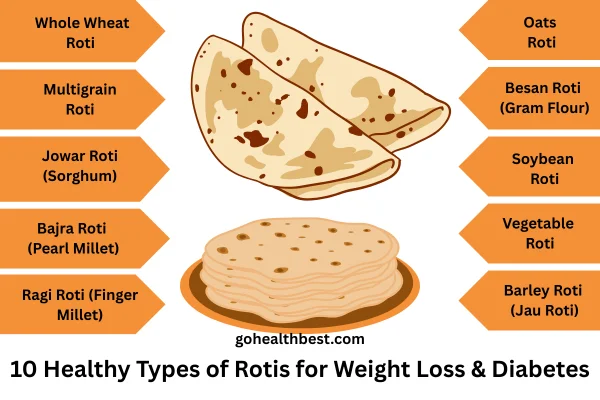
Rotis are a staple food in most Indian households. Whether for lunch or dinner, when served with vegetables or dal, a simple roti can be a wholesome meal. But here’s something most people don’t know — not all rotis are created equal when it comes to health benefits.
Roti can promote weight management, better digestion, blood sugar control, and overall nutrition. With this guide, we will discuss which rotis are the healthiest types and how you can include them in your diet.
What Makes a Roti Healthy?
Before getting into the types, let’s discuss what really makes roti ‘healthy’:
Whole grains: Rotis from whole grains contain fiber and nutrients
High fiber content: Aids in digestion and keeps you full for longer
Low GI: Avoids sharp increases in blood glucose
Full of nutrients: Vitamins, minerals, and plant protein
Easy to digest: Important for daily consumption
A healthy roti is not just about the number of calories it contains, but also about how it nourishes your body.
You can also learn more about Millets: Types, Benefits, Nutrition, Uses & How to Eat Them.

10 Healthy Types of Rotis You Should Try
1. Atta Roti (Whole Wheat Roti)
This is the roti that most people in India eat. It is made with whole wheat flour, which gives it a good balance of carbs, fiber, and energy. It’s great for everyday meals and works for almost everyone.
2. Multigrain Roti
This roti blends wheat, oats, millet, and barley. The result is a higher fiber content, which aids digestion, and a broader spectrum of nutrients.
It’s a good step up from regular wheat roti.
3. Jowar Roti (Sorghum)
It is naturally gluten-free and easy on the stomach. It has a good amount of fiber and helps to keep blood sugar levels controlled, so in my view, this is a tremendous choice for people who have diabetes.
4. Bajra Roti (Pearl Millet)
Bajra roti is full of iron, magnesium, and energy. It keeps your body warm, which is especially helpful in the winter. It’s also filling and helps with digestion.
5. Ragi Roti (Finger Millet)
Ragi is full of calcium and fiber. People often tell women and children to eat this roti because it is good for their bones. It also helps you control your weight by keeping you full longer.
6. Roti with oats
Oats roti is good for your heart. It has soluble fiber in it that helps lower cholesterol levels. It’s light, healthy, and great for people who want to keep their hearts healthy.
7. Besan Roti (Gram Flour)
Besan is full of protein, making it a good vegetarian choice. It keeps hunger under control and supports muscle health, which makes it useful for weight loss diets.
8. Soybean Roti
Soybean flour is rich in proteins and essential amino acids. It is particularly helpful for vegetarians, as adding it to your roti might help you get protein.
9. Vegetable Roti
Vegetable rotis include adding ingredients like spinach, beetroot, or carrot to the dough. These aren’t just colorful, great-tasting rotis; they’re rotis with extra vitamins and minerals tucked inside — excellent for kids and picky eaters.
10. Barley Roti (Jau Roti)
Barley roti has a low glycemic index, which regulates blood sugar levels. It’s good for digestion and can support weight loss when part of a balanced diet.
Rotis to Eat According to Different Health Objectives to Attain
Selecting the correct roti depending on your health objectives:
For Weight Loss
Ragi roti
Oats roti
Jowar roti
All these choices have high fiber content and will make you feel full for an extended period of time.
You can also lose weight with the help of the Types of Morning Drinks for Weight Loss.
For Diabetes Control
Barley roti
Jowar roti
Bajra roti
They all ensure that you maintain steady blood sugar levels.
For Building Muscle Mass
Besan roti
Soybean roti
They all contain high protein content to facilitate muscle mass gain.
For Heart Health
Oats roti
Multigrain roti
They all lower cholesterol levels and enhance heart function.
You can also learn more about Heart Block: Symptoms, Types, Causes, and Treatment.
Quick Comparison of Popular Rotis
| Roti Type | Fiber | Protein | Best For |
| Wheat | Medium | Low | Daily meals |
| Ragi | High | Medium | Weight loss |
| Bajra | High | Medium | Energy & strength |
| Oats | High | Medium | Heart Health |
| Besan | Medium | High | Protein intake |
Things to Do to Make Your Rotis Healthier
When you cook, use less oil or ghee.
For better nutrition, mix different types of flour.
Put in seeds like chia or flaxseeds.
Stay away from refined flour (maida)
Instead of keeping them, eat fresh rotis.
Things You Shouldn’t Do
Eating too much, even healthy rotis, can add calories.
Eating only wheat roti every day
Picking out packaged multigrain flour without looking at the ingredients
Not eating side dishes that are high in protein
In Conclusion
Rotis are more than just a basic food; when you choose the right ones, they can be a big part of a healthy lifestyle. Instead of eating the same kind of roti every day, try adding different kinds to your meals. Each type has its own benefits, such as aiding digestion or promoting heart health.
Choosing a different type of roti can have a big effect on your health.
Frequently Asked Questions (FAQs)?
1. Which roti is best for losing weight?
Ragi, oats, and jowar rotis are great for losing weight because they are high in fiber and fill you up for a long time.
2. Is roti made with more than one grain better than roti made with wheat?
Yes, multigrain roti usually has more fiber and nutrients than plain wheat roti.
3. Is it okay for people with diabetes to eat roti every day?
Yes, but they should pick low-GI foods like jowar or barley roti and watch how much they eat.
4. Which roti has the most protein?
Soybean and besan rotis are both high in protein.
Superb helpful post!! You cover all this thing what I want. I am mostly eating whole wheat roti but i read your blog and appreciate to eat Multigrain roti, jowar roti, ragi roti, vegetables roti, bajra roti this all rotis help me maintain my allover health and help me in weightloss.