
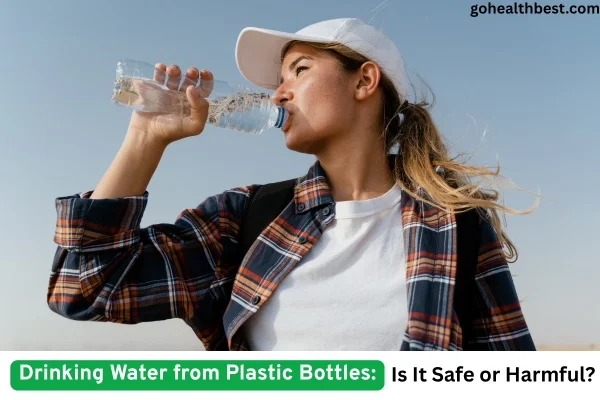
Drinking water is one of the best habits you can have. But here’s something most people don’t think about…
Is drinking water from plastic bottles safe for daily use?
Most of the time, we all carry plastic bottles. They’re easy, cheap, and everywhere. However, when you use them every day, small things can have long-term effects.
Let’s understand everything about drinking water from plastic bottles straightforwardly and honestly.

Why Drinking Water from Plastic Bottles Is So Common
Let’s be real. Plastic bottles are convenient.
⦁ Very lightweight option and very easy to carry
⦁ Cheap and easy to access
⦁ No any kind of risk of breaking
⦁ Suitable for travel and daily use
That’s a big reason millions of people depend on drinking water from plastic bottles without even thinking about safety.
- Why Drinking Water from Plastic Bottles Is So Common
- Is Drinking Water from Plastic Bottles safe option?
- Chemicals in Plastic Bottles (Simple Explanation)
- The Biggest Mistake: Reusing Plastic Bottles
- Effects of Drinking Water from Plastic Bottles
- Why Heat Makes Plastic Bottles More Dangerous
- BPA-Free Plastic Bottles: Are They a Safe Option?
- Safe Alternatives to Drinking Water from Plastic Bottles
- How to Safely Use Plastic Bottles (If You Still Use Them)
- Environmental Impact of Plastic Bottles
- Final Thoughts on Drinking Water from Plastic Bottles
- FAQs About Drinking Water from Plastic Bottles
Is Drinking Water from Plastic Bottles safe option?
Here, my Short answer is: It depends on how you use them.
Drinking water from plastic bottles is sometimes fine. But problems can happen with long-term and improper use.
Plastic contains certain chemicals. Over time, these can mix with the water, especially in the wrong conditions.
You can also learn more about Healthy Habits for Kids: Simple Daily Routines Every Parent Should Teach.
Chemicals in Plastic Bottles (Simple Explanation)
Most people have heard about BPA (Bisphenol A).
It’s a chemical used in making plastic. Many bottles today are labeled BPA-free, which is a better option.
But here’s the truth:
⦁ BPA-free doesn’t mean 100% safe
⦁ Here, other chemicals may still be present
When do these chemicals leak into water?
⦁ When bottles are exposed to heat
⦁ When kept in sunlight or hot cars
⦁ When bottles are very old or scratched
⦁ When you keep reusing single-use bottles
This is where drinking water from plastic bottles becomes very risky.
The Biggest Mistake: Reusing Plastic Bottles
This is a very common thing.
You buy a water bottle once and keep using it again and again.
But as per my knolage most plastic bottles are designed for single use only.
What happens when you reuse them?
⦁ Most of the time, plastic starts to break down
⦁ You show tiny cracks forming
⦁ Bacteria grow inside the bottle
⦁ Chemicals may mix with water
So, daily drinking water from plastic bottles that are reused is not a good habit.
Effects of Drinking Water from Plastic Bottles
Let’s keep it honest and very simple.
Here, not everyone will face problems immediately. But long-term use may lead to:
⦁ Hormonal imbalance
⦁ Face digestive issues
⦁ Lower immunity
⦁ Possible long-term health risks
Once again, this depends on usage. Occasional use is okay. Daily careless use is not.
Why Heat Makes Plastic Bottles More Dangerous
Heat is the biggest enemy here.
When plastic gets hot, it releases chemicals very fast.
You can avoid these simple habits:
⦁ Drinking water from plastic bottles when kept in cars
⦁ Leaving bottles in sunlight area
⦁ If you add hot water to plastic bottles
If you do this regularly, the risk increases dramatically.
BPA-Free Plastic Bottles: Are They a Safe Option?
I personally hear many people switch to BPA-free bottles, thinking they are a completely safe option.
They are definitely better than regular plastic.
But still:
⦁ They may contain other chemicals
⦁ They are not ideal for hot liquids
⦁ Long-term use is still questionable
So yes, better, but not the best.
Safe Alternatives to Drinking Water from Plastic Bottles
If you want a simple upgrade, here are better options:
Stainless Steel Bottles
⦁ Very safe option for daily use
⦁ No chemical leakage
⦁ Durable and long-lasting option
Glass Bottles
⦁ 100% chemical-free
⦁ Best for home or office
Copper Bottles
⦁ One of the traditional options
⦁ Used in Ayurveda
Switching from drinking water from plastic bottles to these options can make a real difference in your life.
You can also learn more about Hot Water vs Cold Water: Which One Is Better for our Health?

How to Safely Use Plastic Bottles (If You Still Use Them)
Let’s be very practical. You may still use plastic sometimes.
So follow these simple tips:
⦁ Avoid reusing single-use bottles
⦁ Keep bottles away from the heat
⦁ Replace old or scratched bottles
⦁ Don’t store hot water in plastic bottles
⦁ Choose BPA-free bottles
These steps may reduce the risks of drinking water from plastic bottles.
Environmental Impact of Plastic Bottles
This is something we mostly ignore.
Plastic bottles:
⦁ Take hundreds of years to decompose
⦁ Cause of pollution
⦁ Harm animals and oceans
As I suggested, reducing plastic use benefits both your health and the environment.
Final Thoughts on Drinking Water from Plastic Bottles
Drinking water is essential. But how you drink it matters too much.
Plastic bottles are convenient, no doubt about it. But daily dependence on them is not the best choice for everyone.
A small change, like switching to steel or glass, can improve your health over time by time.
One of my best suggestion Stay hydrated, but stay smart.
FAQs About Drinking Water from Plastic Bottles
- Is drinking water from plastic bottles safe every day?
It is mostly safe for short-term use, but daily long-term use is not recommended for anyone, especially if bottles are reused.
- Can I reuse plastic water bottles?
No, most of the plastic bottles are made for single use only. Reusing them can lead to bacterial growth as well as chemical leakage problem occur.
- Does heat affect plastic bottles?
Yes, Most of the time, heat increases the release of chemicals into the water, making it unsafe for everyone.
- Are BPA-free plastic bottles completely safe?
They are safer than regular plastic but do not completely give risk-free solution.
- What is the safest alternative to plastic bottles?
Here you can use Stainless steel and glass bottles, which are the safest for daily use.
- Is it safe to drink hot water from plastic bottles?
No, not at all. Hot water can generate harmful chemicals that leach into the water. This is more harmful for everyone.
- How often should we replace plastic bottles?
You can replace them regularly, especially if they are scratched, old, or if you see any kind of damage in the bottles.