
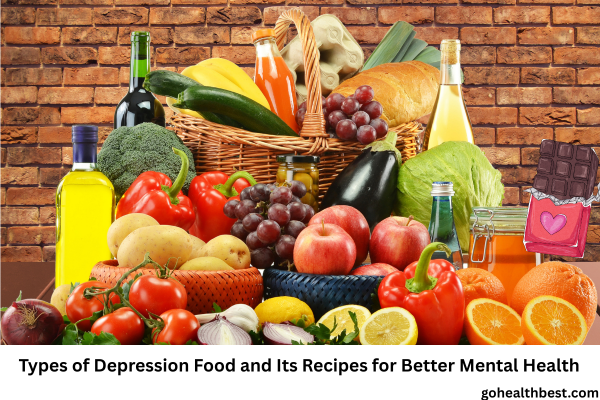
Whenever you’re depressed, your thoughts, sleep, appetite, energy, and daily life are affected. It’s a type of temporary sadness. The type of depression food you eat plays an important role. According to recent research, a healthy diet can help with brain function and emotional balance in depression.
Depression can be helped by reducing inflammation, increasing serotonin production in certain foods, and stabilizing blood sugar levels. All of which play an important role in mental health.
Here in my blog, you will learn about the best mood-boosting foods, simple healthy recipes, and a simple depression food plan that you can follow every day.
⚠️ Important Note: If you experience severe or long-term depression, it is essential to seek the advice of a qualified doctor. Nutrition can support recovery, but it cannot replace proper treatment.
How Diet Affects Depression and Mental Health
There is a strong connection between the gut and the brain in the body, known as the gut-brain axis. In most cases, about 90% of serotonin (the feel-good hormone) is produced in the gut.
A balanced mental health diet includes nutrients such as
• Omega-3 fatty acids
• High-quality protein
• Folate-rich vegetables
• Probiotic foods
• Magnesium-rich nuts and other seeds
Here, we explore the types of depression foods that benefit and naturally support a good mood.
1. Omega-3 Rich depression Foods
Omega-3 fatty acids play an important role in brain structure and emotional regulation. If their levels are low, the chances of developing mood disorders increase.
Best Omega-3 Foods:
• Salmon and sardines
• Flaxseeds
• Chia seeds
• Walnuts
Recipe: Ingredients for a Powerful Omega-3-Rich Salad
• Mixed Greens
• 1 tablespoon chia seeds
• 1 tablespoon walnuts
• ½ avocado
• Olive oil + lemon juice
Method:
Mix all ingredients and blend until smooth.
Benefits:
Supports brain health and reduces inflammation associated with depression.
2. Leafy Green Vegetables (Folate-Rich depression Foods)
Low folate levels are associated with depressive symptoms. Most leafy greens are powerful anti-depressant foods.
Top picks:
• Spinach
• Kale
• Fenugreek leaves
Recipe: Spinach and lentil soup is a favorite among all
First, cook the lentils with garlic and turmeric. Then add the spinach and let it boil. You can mix it a little and make a hot soup and drink it.
Benefits:
It is important for the production of serotonin and also improves energy levels.
3. Dark chocolate for a good mood
Dark chocolate, which contains 70% cocoa or more, contains antioxidants that improve blood flow to the brain and help increase serotonin levels.
Recipe: Healthy Dark Chocolate Energy Bites
You can make them by mixing oats, peanut butter, honey, and melted dark chocolate.
Pour into desired shape molds and refrigerate. After a while, the chocolate will set.
Benefits: Reduces stress and naturally improves mood.
4. Fruits That Help With Depression
Since fruits contain antioxidants, they can provide adequate protection to brain cells from stress and inflammation.
Best fruits for depression:
• Bananas
• Berries
• Oranges
• Apples
Recipe: Berry smoothie to boost mood
Mix with bananas, berries, yogurt, and honey.
Benefits:
Provides natural energy and balances blood sugar.
5. Nuts and seeds play an important role in mental health
Low levels of magnesium and zinc in the body can lead to depression and anxiety.
Best choices:
• Almonds
• Pumpkin seeds
• Sunflower seeds
Recipe: Mental Energy Trail Mix: Mix almonds, seeds, raisins, and a few dark chocolate chips.
Benefits:
Plays an important role in relaxation and supporting brain function.
6. Fermented Foods for Gut-Brain Health
Probiotics improve the balance of gut bacteria, which has a direct impact on mood.
For whom, in my opinion, the best fermented foods are,
• Curd
• Buttermilk
• Idli and Dosa Kheer
• Homemade Pickles
Recipe: Probiotic Yogurt Bowl
First, take plain yogurt. Add fruits and flax seeds to it and enjoy.
Benefits: Can improve digestion and serotonin production.
7. Protein-rich foods to produce serotonin
Protein helps provide amino acids like tryptophan, which plays an important role in producing serotonin.
Healthy protein sources include,
• Eggs
• Lentils
• Chickpeas
• Cheese
Recipe: Mixed vegetable bowl with boiled chickpeas
Mix boiled chickpeas with vegetables, olive oil, and lemon juice and eat.
Benefits: Helps balance mood and energy.
If you want to increase your protein intake, try our Sprout Salad Recipe.
Foods to Avoid in a Depression Diet
Limit the following foods to manage symptoms of depression:
• Refined sugar
• Processed foods
• Foods high in white bread and refined carbohydrates
• Excessive caffeine
• Alcohol intake
These foods can spike blood sugar, disrupt mood, and cause inflammation
Sample 1-Day Depression Food (Diet) Plan
Here is my 1-day depression diet plan, according to my opinion. Which is as follows,
Morning: Warm water and soaked walnuts.
Breakfast: Make a berry smoothie and drink it.
Lunch: You can take spinach dal soup with brown rice.
Breakfast: Trail mix
Dinner: Enjoy a bowl of chickpea and vegetable soup.
Before going to bed: Drink warm turmeric milk.
A simple depression diet plan mentioned here ensures proper, balanced nutrition throughout the day.
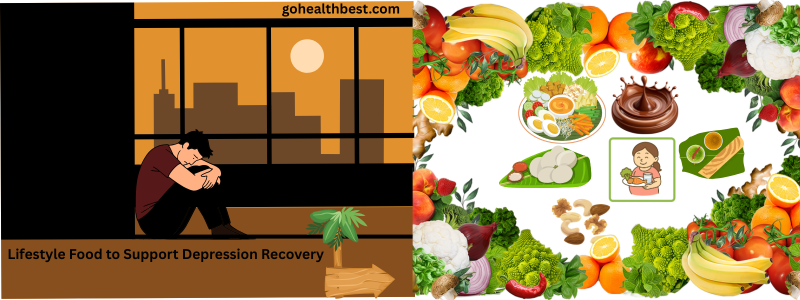
Lifestyle Tips to Support Depression Recovery
Lifestyle tips to get out of depression are more dependent on good results. If you want better results, then it becomes essential to combine a healthy diet with this.
• Exercise for 20-30 minutes every day.
• Spend some time in the sunlight.
• Get 7-8 hours of effective sleep.
• Practice meditation or breathing exercises.
• Get Proper hydration.
Along with good, healthy habits, nutrition also plays a major role.
Frequently Asked Questions (FAQs)
1. What are the best depression foods?
Fish rich in omega-3, leafy greens like spinach, nuts, different types of seeds, fruits, dark chocolate, and probiotic foods are considered to play an important role.
2. Can diet cure depression?
No. Diet can provide adequate support for mental health, but proper medical treatment is essential.
3. Which vitamin deficiency causes depression?
Low levels of vitamin D, B12, and folate are often linked to the main cause of depression.
4. Is chocolate good for depression?
Due to the antioxidants present in dark chocolate, it plays an important role in improving mood if consumed in moderation.
Conclusion
A healthy depression food, from what I have experienced, includes protein, healthy fats, whole foods, and probiotics. All of the foods mentioned here play a special role in naturally supporting brain function and emotional balance, along with boosting mood.
No single food can cure depression. But if you choose your diet wisely, you are taking a powerful step toward better mental health.
Be consistent with both your physical and emotional well-being, with small steps, and you will definitely get the right results.