

Have you ever been at a dinner, wedding, or party and wanted something that feels a little more special than water or soda—but without alcohol?
That’s where non alcoholic wine comes in.
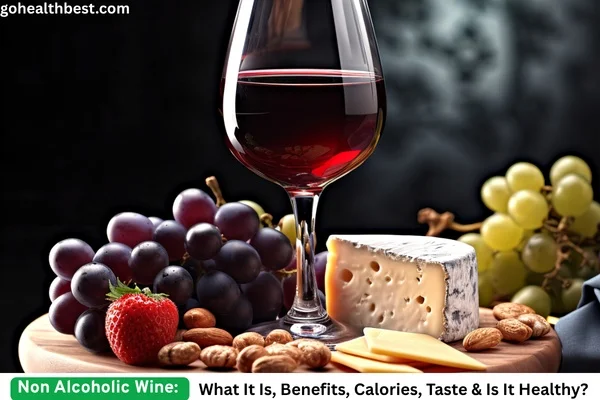
It looks like wine, is served in a wine glass, and can have many of the same fruity, floral, or crisp flavors you expect from traditional wine. The main difference is that most or all of the alcohol has been removed, depending on the product.
And honestly, this is why non alcoholic wine has become interesting to so many people.
Some want to drink less alcohol. Some don’t like the effects of alcohol. Others simply want something they can enjoy with dinner without worrying about getting tipsy.
But there are also plenty of questions.
Is non alcoholic wine actually healthy? Does it contain alcohol? How many calories does it have? Does it taste like real wine? Can you drink it every day?
Let’s break it all down in simple language.
- What Is Non Alcoholic Wine?
- How Is Non Alcoholic Wine Made?
- Does Non Alcoholic Wine Taste Like Regular Wine?
- Types of Non Alcoholic Wine
- Is Non Alcoholic Wine Healthy?
- Non Alcoholic Wine Calories: How Many Does It Have?
- Does Non Alcoholic Wine Have Sugar?
- Does Non Alcoholic Wine Have Any Alcohol?
- Non Alcoholic Wine vs Grape Juice
- Benefits of Non Alcoholic Wine
- Are There Any Disadvantages?
- Can You Drink Non Alcoholic Wine Every Day?
- Is Non Alcoholic Wine Good for Weight Loss?
- Can You Cook With Non Alcoholic Wine?
- How to Opt for the Best Non Alcoholic Wine
- Who Should Consider Non Alcoholic Wine?
- My Final Thoughts
- Frequently Asked Questions About Non Alcoholic Wine
What Is Non Alcoholic Wine?
Non alcoholic wine is wine that has had most or all of its alcohol removed after the winemaking process.
Traditional wine starts with grapes. First of all, the grapes are pressed and fermented, then natural sugars are converted into alcohol.
With non alcoholic wine, producers generally start with fermented wine and then use specific techniques to reduce or remove the alcohol.
The result is a drink that can have the characteristics of wine without the intoxicating effect of regular alcoholic wine.
Here, you can find several varieties, including:
⦁ Non alcoholic red wine
⦁ Non alcoholic white wine
⦁ Non alcoholic rosé
⦁ Non alcoholic sparkling wine
⦁ Non alcoholic champagne-style drinks
One thing you can remember is that “non alcoholic” doesn’t always mean exactly 0.0% alcohol.
If you need to avoid alcohol completely, check the label and look specifically for a product marked 0.0% ABV.
How Is Non Alcoholic Wine Made?
This part is surprisingly interesting.
Making wine without alcohol isn’t simply a matter of mixing grape juice with something else. Many non alcoholic wines begin as actual wine.
First, grapes are harvested and processed.
Then the juice is fermented, just like traditional wine. This makes the flavors and aromas associated with wine.
After fermentation, the alcohol is dramatically reduced or removed.
Manufacturers may use techniques such as:
Vacuum Distillation
Vacuum distillation lowers the temperature needed to separate alcohol from wine.
This can be very helpful to reduce the effect of heat on delicate flavors and aromas.
Reverse Osmosis
Reverse osmosis uses a specialized membrane to separate alcohol and other components from the wine.
Sometimes the wine’s flavor and aroma components can then be added back to help maintain the original character of the wine.
Spinning Cone Technology method
Another method uses spinning cones and controlled conditions to separate volatile aroma compounds as well as alcohol.
Here, my goal is simple: remove the alcohol while keeping as much of the wine’s original character as possible.
This isn’t always easy to do.
Alcohol supplies the body, mouthfeel, aroma, and overall balance of wine. That’s why some non alcoholic wines taste remarkably close to traditional wine, while others taste noticeably different.
Does Non Alcoholic Wine Taste Like Regular Wine?
This is probably one of the biggest questions so many people have.
My honest answer?
Sometimes, but not always.
Traditional wine gets some of its texture and warmth from alcohol. When that alcohol is removed, the drink can feel lighter.
Some non alcoholic wines have strong fruit flavors and a pleasant finish. Others may taste sweeter or more like grape juice.
The quality can differ considerably between products.
Sometimes, sparkling varieties can be particularly enjoyable because carbonation adds texture and makes the drink feel more festive.
If you’ve tried one non alcoholic wine and didn’t like it, don’t assume they are all the same.
Here, different grapes, production methods, sweetness levels, and brands can produce very different results.
You can also learn more about Soya Milk: Benefits, Nutrition, Uses, Side Effects & Complete Guide.
Types of Non Alcoholic Wine
There isn’t just one type.
1. Non Alcoholic Red Wine
Non alcoholic red wine is generally made from red grape varieties and may have flavors such as berries, cherries, plums, or spices.
It’s often served with foods that pair well with traditional red wine.
2. Non Alcoholic White Wine
White varieties are mostly lighter and can have citrus, apple, pear, floral, or tropical notes.
They can work well with lighter meals.
3. Non Alcoholic Rose
Rosé sits somewhere between red and white in terms of style.
It’s often a fruity, refreshing, and easy-to-drink option.
4. Non Alcoholic Sparkling Wine
This is a very popular choice for celebrations.
The bubbles make it feel festive without the alcohol found in traditional sparkling wine.
Is Non Alcoholic Wine Healthy?
This is where it’s important to be realistic.
Here, non alcoholic wine can be a better choice than alcoholic wine for someone who wants to avoid alcohol, but that doesn’t automatically make it a health drink.
There are several things to consider.
First, removing alcohol removes the intoxicating effects associated with alcohol.
Second, some non alcoholic wines contain fewer calories than their alcoholic counterparts.
But here’s the catch.
Some products contain added sugar.
So you shouldn’t judge a drink simply by the words “non alcoholic” on the bottle.
First, check the nutrition label.
Look at:
⦁ Calories
⦁ Total carbohydrates
⦁ Sugar
⦁ Added sugar
⦁ Serving size
⦁ Alcohol percentage
Here, the nutritional profile can vary significantly from one product to another.
You can also learn more about 7 Best Morning Drinks for Energy.
Non Alcoholic Wine Calories: How Many Does It Have?
One of the reasons people ask about non alcoholic wine calories is because alcohol itself contributes calories.
Removing alcohol reduces the calorie content.
However, there’s no single calorie count for all non-alcoholic wines.
Some are relatively low in calories, while others contain more sugar and carbohydrates.
If you’re counting calories, don’t assume that every bottle is automatically low-calorie.
Instead, you can compare the nutrition labels.
Also pay attention to serving size.
A bottle may look like one serving, but it may actually contain several servings.
Does Non Alcoholic Wine Have Sugar?
Yes, it can.
This surprises some people.
Whenever grapes are fermented, yeast consumes some of the natural sugar and finally produces alcohol.
But after alcohol is removed, the final product may still contain residual sugars. Some products may also have sugar added to improve their flavor.
That’s why non-alcoholic wine’s sugar content can be different.
If you are trying to reduce sugar, opt for a product with lower sugar and check the nutrition label before you buy any of them.
Does Non Alcoholic Wine Have Any Alcohol?
This is totaly depends on the product.
Some beverages marketed as non alcoholic may contain a very small amount of alcohol.
The exact amount allowed under labeling rules can vary by country.
That’s why the label matters.
If you need to avoid alcohol completely, look for 0.0% ABV rather than assuming every “non alcoholic” product contains zero alcohol.
This is especially important for people who avoid alcohol for personal, religious, medical, recovery-related, or other reasons.
Non Alcoholic Wine vs Grape Juice
These two drinks may look very similar, but they’re not necessarily the same.
Here, grape juice is made from grapes and doesn’t follow the same wine fermentation process.
Non alcoholic wine generally starts with fermented wine, after which the alcohol is removed or dramatically reduced.
That fermentation process can create a more wine-like flavor profile.
So if you’re looking for something that actually tastes like wine, non alcoholic wine may be near to what you’re looking for than ordinary grape juice.
You can also learn more about Black Grapes: 10 Amazing Benefits, Nutrition, Uses, Side Effects.
Benefits of Non Alcoholic Wine
Let’s talk about the practical benefits.
1. It Can Be Very Helpful to You to Reduce Alcohol
If you are trying to drink less alcohol, a wine-style alternative can make the transition very easy.
Instead of automatically reaching for regular wine at dinner, you have another option.
2. You Can Enjoy Social Occasions
Weddings, parties, dinners, and celebrations often revolve around drinks.
Non alcoholic wine gives you something that feels more appropriate for those occasions without the intoxicating effects of regular wine.
3. You Don’t Get the Same Intoxicating Effects
Main reson behind it, the alcohol is removed or greatly reduced, so you generally won’t experience the same effects as drinking regular wine.
Moreover, always check the label first if avoiding alcohol is important to you.
4. It May Have Fewer Calories
It totally depends on the product; removing alcohol can reduce calories.
But remember one thing: sugar can add calories, so first compare labels before you can buy.
5. It Can Be Part of a Lower-Alcohol Lifestyle
For someone trying to change their drinking habits, replacing some alcoholic drinks with non alcoholic alternatives may be a practical strategy.
Are There Any Disadvantages?
Yes.
It’s not perfect.
The Taste Can Be Different
Some products don’t have the same depth or body as regular wine.
Some Products Are High in Sugar
Always check the nutrition label.
It Can Be Expensive
High-quality alcohol removal processes can increase production costs of the product.
It May Still Contain Trace Alcohol
If you require complete abstinence, look for 0.0% ABV and verify all product information.
Can You Drink Non Alcoholic Wine Every Day?
There’s no special reason that you need to drink non alcoholic wine every day.
If you enjoy it and the product fits your dietary needs, it can be an occasional beverage choice.
But “non alcoholic” doesn’t automatically mean “healthy enough to drink unlimited amounts.”
Here, some varieties contain significant amounts of sugar.
Water should still be your main everyday beverage.
Think of non alcoholic wine as an alternative beverage for meals, celebrations, or social situations.

Is Non Alcoholic Wine Good for Weight Loss?
As I see It can potentially be a useful replacement for alcoholic wine if you are trying to reduce your overall calorie intake.
Here, Alcohol contains calories, so if you are replacing an alcoholic drink with a lower-calorie non alcoholic option may reduce calorie consumption.
However, non alcoholic wine is not a weight-loss drink.
If the product contains a lot of sugar, drinking several servings could still add substantial calories.
For weight management, your overall diet, activity level, portion sizes, sleep, and lifestyle matter much more.
Can You Cook With Non Alcoholic Wine?
Yes.
You can use non alcoholic wine in many recipes where wine would normally be used for flavor.
It can be used in:
⦁ Sauces
⦁ Risotto
⦁ Pasta dishes
⦁ Marinades
⦁ Gravies
⦁ Desserts
Keep in mind that cooking changes the flavor, and the result may not be the same as using traditional wine.
If you’re specifically avoiding alcohol, remember that cooking does not necessarily guarantee that every trace of alcohol disappears from a dish.
How to Opt for the Best Non Alcoholic Wine
Don’t choose solely based on the bottle or price.
You can check these things first:
Check the ABV Percentage
If you want no alcohol, then look for 0.0% ABV.
Check Sugar Amount
Compare sugar levels between products.
Check Calories Amount
This is very useful if you’re watching your overall calorie intake.
Choose Your Style
You can try red, white, rosé, or sparkling depending on what you normally enjoy.
Read the Ingredients
Look for a product that fits your dietary preferences.
Start With a Small Bottle
If you’re new to non alcoholic wine, buying a smaller bottle can be a smart way to see whether you actually like the taste.
You can also learn more about Drinking Water from Plastic Bottles: Safety, Risks, and Better Alternatives.
Who Should Consider Non Alcoholic Wine?
It may be a good option for adults who:
⦁ Want to drink less alcohol
⦁ Prefer alcohol-free alternatives
⦁ Who want a wine-style drink at social events
⦁ Are hosting guests who don’t drink alcohol
⦁ Want to enjoy wine with dinner without getting intoxicated
⦁ Want to experiment with alcohol-free beverages
However, anyone who needs to avoid even trace amounts of alcohol should carefully verify the product’s alcohol content.
My Final Thoughts
Here, Non alcoholic wine can be the best middle ground.
You get something that looks and feels more like wine, but without the intoxicating effects associated with regular alcoholic wine.
For someone trying to reduce alcohol, it can make dinners, celebrations, and social occasions easier.
But don’t fall for the idea that every bottle is automatically healthy.
First, read the label.
Check the alcohol percentage.
Look at the sugar and calorie content.
And opt for a product that actually fits your lifestyle.
If you’re curious, start with a style you already enjoy—red, white, rosé, or sparkling and see what you think.
The best non alcoholic wine is ultimately the one that tastes good to you and fits your personal goals.
Frequently Asked Questions About Non Alcoholic Wine
- What is non alcoholic wine?
Non alcoholic wine is generally wine that has had most or all of its alcohol removed. Its depending on the product and labeling rules; it may contain a small amount of residual alcohol.
- Is non alcoholic wine completely alcohol-free?
Not necessarily. Some products can contain small amounts of alcohol. If you need complete alcohol avoidance, then you can look for a product labeled 0.0% ABV.
- Is non alcoholic wine healthier than regular wine?
It can be a better choice for someone who wants to avoid alcohol. Here, it is not automatically a health drink. Sugar, calories, and other ingredients can vary between the products.
- Does non alcoholic wine taste like wine?
It can, but the taste may be different. Because alcohol contributes to wine’s body and gives mouthfeel, some non alcoholic wines taste lighter or sweeter than traditional wine.
- Does non alcoholic wine contain sugar?
Yes, some varieties contain sugar. The amount varies, so you can first check the nutrition label.
- How many calories are in non alcoholic wine?
There is no standard calorie amount. Calories vary by product, serving size, sugar content, and type of production method.
- Does non alcoholic wine get you drunk?
A properly alcohol-free or very low-alcohol product should not produce the same intoxicating effects as regular wine. However, always try to check the alcohol percentage on the label.
- Is 0.0% wine completely alcohol-free?
A product labeled 0.0% ABV is intended to contain no measurable alcohol under the applicable labeling standard. If you must avoid alcohol completely, check the manufacturer’s information and local labeling requirements.
- Can you drink non alcoholic wine while driving?
A genuinely alcohol-free beverage does not have the intoxicating effect of regular wine. However, you should check the label carefully if you’re driving and need to avoid alcohol.
- Can pregnant women drink non alcoholic wine?
“Non alcoholic” products can vary in their actual alcohol content. Anyone pregnant should discuss alcohol-free beverage choices with their healthcare professional and check the product label carefully.
- Is non alcoholic wine good for weight loss?
It may help reduce calories when used instead of alcoholic wine, but it is not a kind of weight-loss product. Some varieties can contain significant sugar and calories.
- Can people with diabetes drink non alcoholic wine?
It depends on the individual product and the person’s dietary plan. Some types of varieties can contain significant sugar or carbohydrates. Checking the nutrition label and discussing the choice with a healthcare professional is sensible.
- Does non alcoholic wine have antioxidants?
Here, grapes contain naturally occurring polyphenols and other types of plant compounds, and some may remain after processing. However, the amount varies, and non alcoholic wine shouldn’t be treated as a source of antioxidants for health treatment.
- Can non alcoholic wine help you stop drinking alcohol?
It may be a useful option as an alternative for some people who want to reduce or ban their alcohol intake. Here, it is not a kind of treatment for alcohol dependence. Anyone struggling with alcohol dependence should seek appropriate professional support.
- Can children drink non alcoholic wine?
Not every product marketed as non alcoholic is necessarily 0.0% ABV, and some products are specifically designed as adult wine alternatives. Parents should check the label and consider choosing ordinary alcohol-free beverages for their children.
- What is the difference between non alcoholic wine and grape juice?
Grape juice generally isn’t fermented into wine. Non alcoholic wine is usually produced from fermented wine and then has most or all of the alcohol removed.
- Can non alcoholic wine be used for cooking?
Yes. It can be mostly used in sauces, risotto, marinades, pasta dishes, and other recipes where wine is used to improve flavor.
- Can you drink non alcoholic wine every day?
You don’t need to drink it every day. If you enjoy it, consider the product’s sugar and calorie content and your overall diet.
- Is non alcoholic red wine better than white wine?
Neither is automatically better. It is totaly depends on your taste, the specific product, sugar content, calories, as well as ingredients.
- What should I look for when buying non alcoholic wine?
First of all, check the alcohol percentage, calories, sugar, ingredients, serving size, and type of wine. If you need complete alcohol avoidance, look for 0.0% ABV.